EvenAir Destratification vs. Traditional Ceiling Fans

When it comes to maintaining a comfortable indoor environment, the choice of air circulation systems can significantly impact energy efficiency and comfort levels. Two popular options are EvenAir destratification systems and traditional ceiling fans. While both serve the purpose of improving air circulation, they operate on different principles and offer distinct advantages. In this post, we will explore the differences between these two systems, helping you make an informed decision for your space.
Understanding Destratification
Destratification is a process that aims to reduce temperature stratification in a room. In simpler terms, it addresses the issue of warm air rising to the ceiling while cooler air remains at floor level. This phenomenon is common in spaces with high ceilings, such as warehouses, gyms, and large retail stores.
How Destratification Works
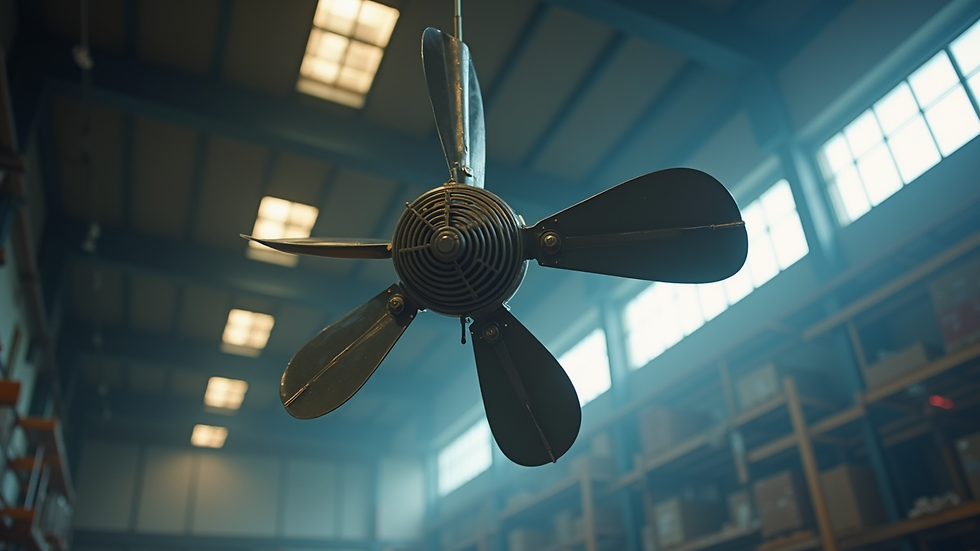
EvenAir destratification systems utilize large, low-speed fans to circulate air throughout the space. These fans operate quietly and efficiently, gently mixing the air layers without creating drafts. By pushing warm air down from the ceiling, destratification systems help maintain a consistent temperature throughout the room.
Key Benefits of Destratification:
Energy Efficiency: By redistributing warm air, destratification systems can reduce heating costs by up to 30%.
Comfort: A more uniform temperature enhances comfort for occupants, eliminating cold spots.
Quiet Operation: Unlike traditional fans, destratification systems operate at low speeds, minimizing noise.
Traditional Ceiling Fans
Traditional ceiling fans are a common choice for residential and commercial spaces. They work by creating a wind-chill effect, making occupants feel cooler as the blades rotate. While they are effective in providing immediate relief from heat, they do not address the issue of temperature stratification.
How Ceiling Fans Work
Ceiling fans operate by drawing air upward and pushing it downwards, creating a breeze that cools the skin. They can be set to rotate in different directions, allowing for year-round use. In the summer, fans typically rotate counterclockwise to create a cooling effect, while in the winter, they can be set to rotate clockwise to circulate warm air.
Key Benefits of Ceiling Fans:
Immediate Cooling: Ceiling fans provide instant relief from heat, making them ideal for warmer climates.
Aesthetic Appeal: Available in various designs, ceiling fans can enhance the decor of a room.
Cost-Effective: They are generally less expensive to install and maintain compared to destratification systems.
Comparing Efficiency
When it comes to energy efficiency, destratification systems have a clear advantage over traditional ceiling fans. While ceiling fans can help cool a room, they do not effectively address temperature stratification. In contrast, destratification systems can significantly reduce heating costs by redistributing warm air.
Energy Savings
Research shows that destratification systems can lead to substantial energy savings. For example, a study conducted in a large warehouse found that implementing a destratification system reduced heating costs by 25% during the winter months. In contrast, traditional ceiling fans do not provide the same level of energy savings, as they primarily focus on cooling rather than temperature distribution.
Comfort Levels
Comfort is a crucial factor when choosing an air circulation system. While both systems can enhance comfort, they do so in different ways.
Destratification and Comfort
Destratification systems create a more uniform temperature throughout the space, eliminating cold spots and ensuring that all occupants feel comfortable. This is particularly important in large areas where temperature variations can be significant.
Ceiling Fans and Comfort
Ceiling fans provide immediate relief from heat, making them suitable for smaller spaces or during hot weather. However, they may not effectively address temperature differences in larger areas, leading to discomfort for some occupants.
Installation and Maintenance
The installation and maintenance requirements for destratification systems and traditional ceiling fans differ significantly.
Destratification Systems
Installing a destratification system typically involves more complex installation procedures, as they require proper placement and alignment to ensure optimal air circulation. Maintenance is generally low, as these systems are designed for durability and efficiency.
Ceiling Fans
Ceiling fans are relatively easy to install and can often be done as a DIY project. Maintenance usually involves cleaning the blades and ensuring the motor is functioning properly. However, they may require more frequent replacement compared to destratification systems.
Cost Considerations
When evaluating the cost of each system, it is essential to consider both initial investment and long-term savings.
Initial Costs
Destratification systems tend to have a higher upfront cost due to their complex installation and specialized equipment. In contrast, traditional ceiling fans are more affordable and widely available.
Long-Term Savings
While the initial investment for destratification systems may be higher, the long-term energy savings can offset these costs. For example, businesses that implement destratification systems often see a return on investment within a few years due to reduced heating and cooling expenses.
Ideal Applications
Choosing between EvenAir destratification systems and traditional ceiling fans depends on the specific needs of your space.
Best Uses for Destratification Systems
Large Warehouses: These systems excel in spaces with high ceilings and significant temperature variations.
Gyms and Fitness Centers: Maintaining a consistent temperature is crucial for comfort during workouts.
Retail Spaces: Destratification systems can enhance customer comfort, encouraging longer visits.
Best Uses for Ceiling Fans
Residential Spaces: Ceiling fans are ideal for homes, providing immediate cooling relief.
Small Offices: They can enhance comfort without the need for complex installations.
Outdoor Patios: Ceiling fans can create a pleasant breeze in outdoor spaces.

Conclusion
In summary, both EvenAir destratification systems and traditional ceiling fans have their unique advantages and applications. Destratification systems excel in energy efficiency and comfort in larger spaces, while ceiling fans provide immediate cooling relief and aesthetic appeal.
When making your decision, consider the specific needs of your space, including size, temperature variations, and budget. By understanding the differences between these two systems, you can choose the one that best meets your air circulation needs, ultimately leading to a more comfortable and energy-efficient environment.
Take the time to evaluate your options, and don’t hesitate to consult with a professional to determine the best solution for your space.


Comments