Maximizing Energy Efficiency with Destratification Systems

In today's world, energy efficiency is more than just a buzzword; it is a necessity. As energy costs rise and environmental concerns grow, businesses and homeowners alike are seeking effective solutions to reduce energy consumption. One such solution is the implementation of destratification systems. These systems not only enhance comfort but also significantly lower energy bills. In this post, we will explore how destratification systems work, their benefits, and practical tips for maximizing energy efficiency in your space.

Understanding Destratification Systems
Destratification systems are designed to improve air circulation within a space, particularly in large buildings with high ceilings. They work by redistributing warm air that naturally rises to the ceiling back down to the occupied areas. This process helps maintain a more consistent temperature throughout the space, reducing the need for heating and cooling systems to work overtime.
How Destratification Works
Warm Air Rises: In any enclosed space, warm air tends to rise to the ceiling while cooler air remains at ground level. This creates temperature stratification, where the upper areas are significantly warmer than the lower areas.
Air Movement: Destratification systems use fans or other mechanisms to move the warm air downwards. By creating a gentle airflow, these systems mix the air layers, leading to a more uniform temperature distribution.
Energy Savings: With a more consistent temperature, heating and cooling systems can operate more efficiently. This means less energy is consumed, resulting in lower utility bills.
Benefits of Destratification Systems
Implementing destratification systems offers numerous advantages, including:
Improved Comfort
By eliminating temperature stratification, destratification systems create a more comfortable environment for occupants. This is especially important in spaces like warehouses, gyms, and large retail stores where temperature variations can lead to discomfort.
Reduced Energy Costs
One of the most compelling reasons to invest in destratification systems is the potential for significant energy savings. Studies have shown that these systems can reduce heating and cooling costs by up to 30%. This is particularly beneficial during extreme weather conditions when energy consumption typically spikes.
Extended Equipment Life
Heating and cooling systems that operate under less strain tend to have longer lifespans. By reducing the workload on these systems, destratification can lead to fewer repairs and replacements, ultimately saving money in the long run.
Environmental Impact
Reducing energy consumption not only lowers costs but also decreases your carbon footprint. By implementing destratification systems, you contribute to a more sustainable future by minimizing greenhouse gas emissions associated with energy production.
Types of Destratification Systems
There are several types of destratification systems available, each with its own unique features and benefits:
Ceiling Fans
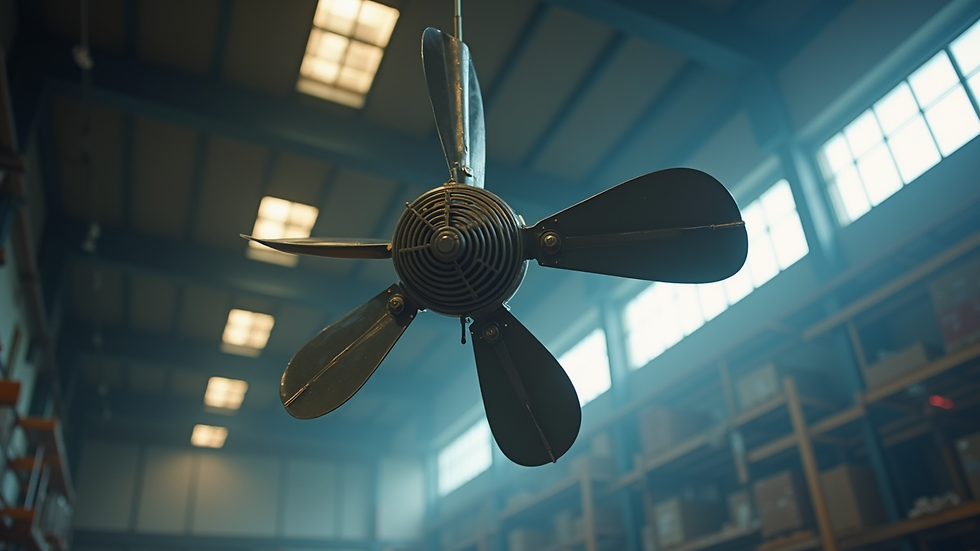
Ceiling fans are a common and cost-effective solution for destratification. They can be installed in various settings and are particularly effective in residential spaces. By running the fans in reverse during the winter months, warm air is pushed downwards, improving comfort and efficiency.
High-Volume Low-Speed (HVLS) Fans
HVLS fans are large, energy-efficient fans designed for industrial and commercial spaces. They move a significant volume of air at low speeds, creating a gentle breeze that helps to destratify the air. These fans are ideal for warehouses, manufacturing facilities, and gyms.
Destratification Units
Dedicated destratification units are specifically designed for this purpose. They often include advanced features such as variable speed controls and smart technology integration, allowing for precise air movement tailored to the specific needs of the space.
Implementing Destratification Systems
To maximize energy efficiency with destratification systems, consider the following steps:
Assess Your Space
Before implementing a destratification system, assess the specific needs of your space. Consider factors such as ceiling height, layout, and existing heating and cooling systems. This will help you determine the best type of system for your environment.
Choose the Right System
Based on your assessment, select a destratification system that aligns with your goals. For example, if you have a large warehouse, an HVLS fan may be the best option. For smaller residential spaces, ceiling fans could suffice.
Optimize Fan Placement
Proper placement of destratification fans is crucial for effectiveness. Install fans in areas where warm air accumulates, typically near the ceiling. Ensure that the airflow is directed downwards to promote even temperature distribution.
Regular Maintenance
Like any mechanical system, destratification systems require regular maintenance to operate efficiently. Schedule routine inspections and cleanings to ensure optimal performance. This includes checking fan blades for dust buildup and ensuring that motors are functioning correctly.
Monitor Energy Usage
After implementing a destratification system, monitor your energy usage to assess its effectiveness. Compare your energy bills before and after installation to quantify savings. This data can help you make informed decisions about future energy efficiency upgrades.
Case Studies: Success Stories
Case Study 1: A Retail Store
A retail store in a cold climate implemented HVLS fans to combat temperature stratification. Before installation, the store experienced significant heating costs during winter months. After installing the fans, the store reported a 25% reduction in heating costs, leading to substantial annual savings.
Case Study 2: A Gym Facility
A gym facility with high ceilings struggled with uneven temperatures, leading to discomfort for members. By installing ceiling fans, the gym was able to create a more comfortable environment. Member satisfaction increased, and the gym reported a 15% reduction in energy costs.
Conclusion
Destratification systems are a powerful tool for maximizing energy efficiency in various environments. By improving air circulation and reducing temperature stratification, these systems enhance comfort, lower energy costs, and contribute to a more sustainable future. Whether you are a business owner or a homeowner, investing in a destratification system can lead to significant benefits.
As you consider ways to improve energy efficiency in your space, think about how destratification systems can play a role. By taking action now, you can enjoy a more comfortable environment while also saving money and reducing your environmental impact. Start exploring your options today and take the first step towards a more energy-efficient future.

Comments