Industrial Climate Control: Importance of Destratification

In industrial settings, maintaining an optimal climate is crucial for both productivity and energy efficiency. One often overlooked aspect of climate control is destratification. This process can significantly enhance the comfort of workers and the efficiency of heating and cooling systems. In this blog post, we will explore the importance of destratification, how it works, and its benefits for industrial environments.
What is Destratification?
Destratification refers to the process of mixing the air in a space to eliminate temperature stratification. In many industrial facilities, warmer air tends to rise to the ceiling while cooler air settles near the floor. This temperature difference can lead to discomfort for workers and inefficient energy use.
How Does Destratification Work?
Destratification typically involves the use of fans or other mechanical systems to circulate air within a space. By promoting air movement, destratification helps to equalize temperatures throughout the area. This can be achieved through various methods, including:
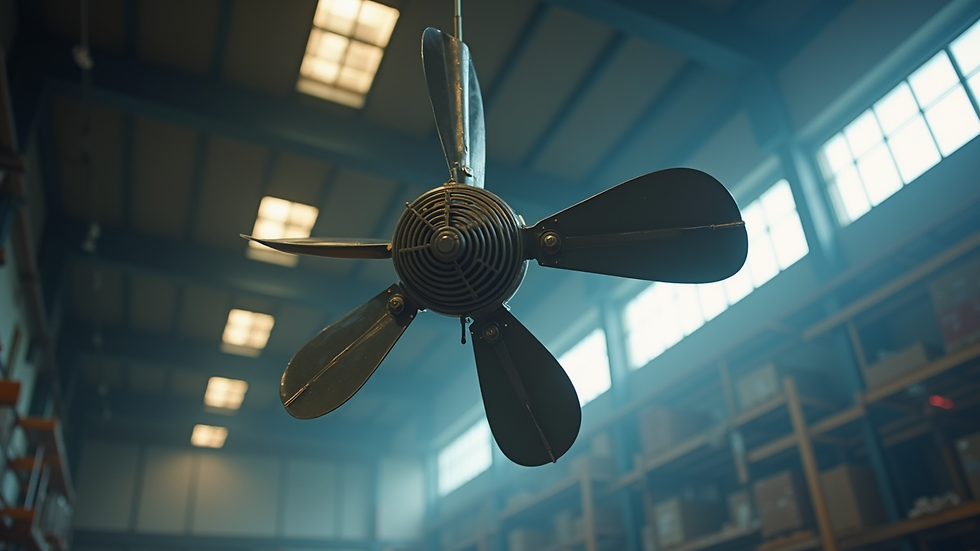
Ceiling Fans: These fans can be used to push warm air down from the ceiling, mixing it with cooler air at lower levels.
HVLS Fans: High-Volume Low-Speed fans are particularly effective in large industrial spaces. They move a large volume of air at low speeds, creating a gentle breeze that helps to mix air layers.
Air Distribution Systems: Advanced HVAC systems can be designed to promote destratification by strategically placing vents and ducts.
Benefits of Destratification
Implementing destratification in industrial settings offers numerous advantages:
Improved Comfort
Workers are more productive when they are comfortable. By reducing temperature differences, destratification creates a more pleasant working environment. This can lead to:
Increased worker satisfaction
Reduced fatigue
Lower absenteeism rates
Energy Efficiency
One of the most significant benefits of destratification is its impact on energy consumption. When temperatures are more uniform, heating and cooling systems do not have to work as hard to maintain comfortable conditions. This can result in:
Lower energy bills
Reduced wear and tear on HVAC systems
Extended lifespan of equipment
Enhanced Air Quality
Destratification can also improve indoor air quality. By promoting air circulation, it helps to reduce the concentration of airborne pollutants and allergens. This is particularly important in industrial environments where dust and other particles may be present.
Cost Savings
The combination of improved comfort, energy efficiency, and enhanced air quality can lead to significant cost savings for businesses. Companies can expect:
Lower operational costs
Increased productivity
A healthier workforce
Implementing Destratification in Your Facility
To effectively implement destratification in an industrial setting, consider the following steps:
Assess Your Space
Begin by evaluating the layout and size of your facility. Identify areas where temperature stratification is most pronounced.
Choose the Right Equipment
Select the appropriate destratification equipment based on your facility's needs. Options may include ceiling fans, HVLS fans, or advanced HVAC systems.
Monitor and Adjust
Once destratification systems are in place, monitor their effectiveness. Use temperature sensors to ensure that air circulation is achieving the desired results. Make adjustments as necessary to optimize performance.
Case Study: A Manufacturing Facility
To illustrate the benefits of destratification, let's consider a case study of a manufacturing facility that implemented this process.
Background
A large manufacturing plant was experiencing significant temperature differences between the floor and ceiling. Workers reported discomfort, and the facility's heating system was running inefficiently, leading to high energy costs.
Implementation
The facility management decided to install HVLS fans throughout the production area. These fans were strategically placed to ensure optimal air circulation.
Results
After implementing destratification, the facility reported:
A 10% reduction in energy costs within the first month
Improved worker comfort, leading to a 15% increase in productivity
Enhanced air quality, resulting in fewer respiratory complaints among employees
Common Misconceptions About Destratification
Despite its benefits, there are several misconceptions about destratification that can hinder its adoption:
It’s Only for Large Spaces
While destratification is particularly beneficial in large industrial spaces, it can also be effective in smaller facilities. Even modest-sized areas can experience temperature stratification, making destratification a useful strategy.
It’s Too Expensive
Many businesses believe that the initial investment in destratification equipment is too high. However, the long-term savings in energy costs and improved worker productivity often outweigh the initial expenses.
It’s Complicated to Implement
Implementing destratification does not have to be a complex process. With the right equipment and a clear plan, businesses can easily integrate destratification into their climate control strategies.
Conclusion
Destratification is a vital component of industrial climate control that can lead to improved comfort, energy efficiency, and air quality. By understanding its importance and implementing effective strategies, businesses can create a more productive and healthier work environment.
As you consider ways to enhance your facility's climate control, remember that destratification is not just an option; it is a necessity for modern industrial operations. Take the next step by assessing your space and exploring the best destratification solutions for your needs.


Comments